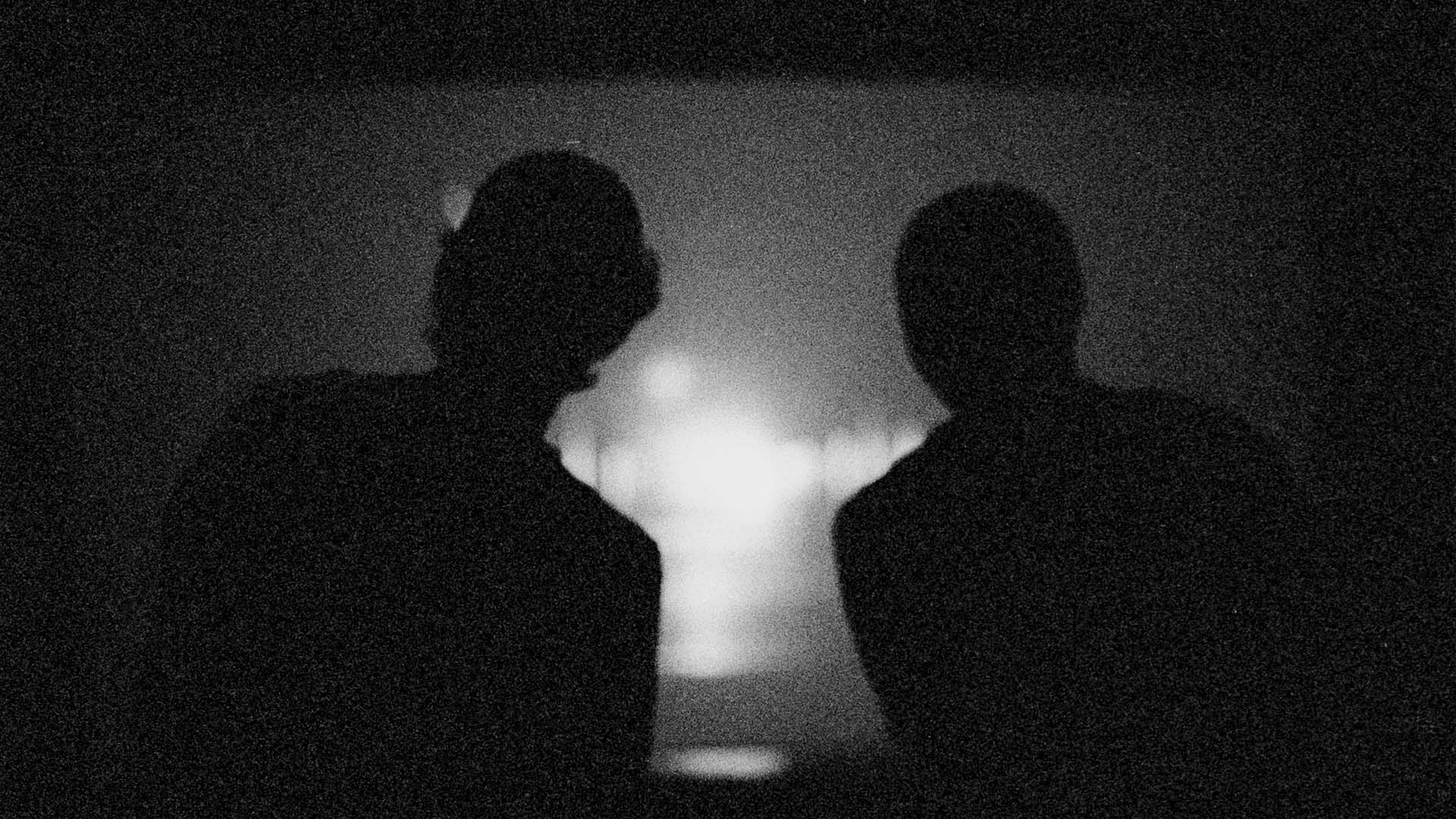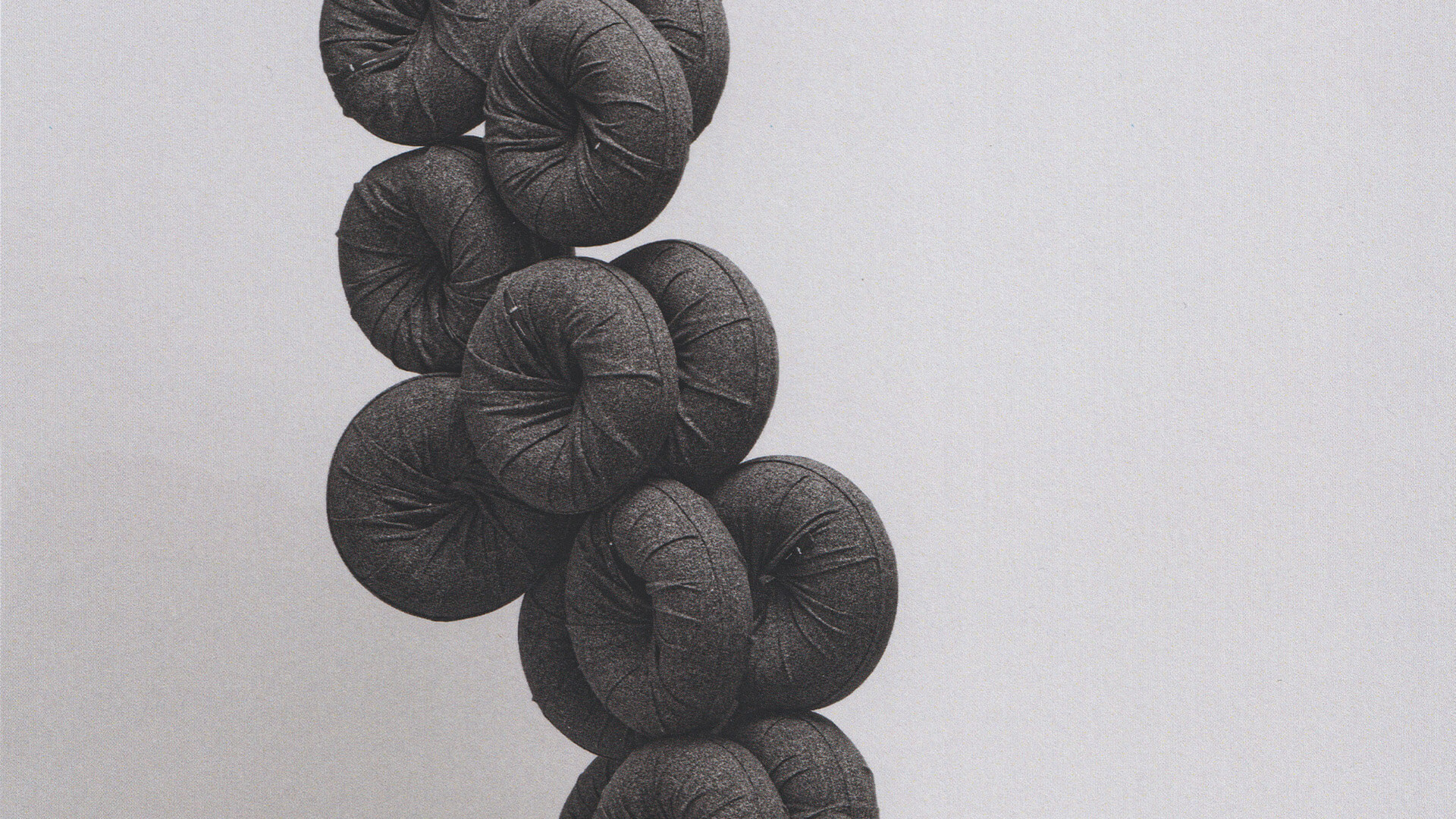
Listening is shaped by more than sound alone. The interior of a space, the position of the body and the objects we interact with all influence how sound is received. With this in mind, côte&ciel and Minimal Collective explored how furniture could become part of a listening environment. The collaboration takes shape in PILLOWS, an inflatable seating concept from côte&ciel’s Soft Sculptures series. We speak with lead designer Emilie Arnault about her explorative practice and the conditions that shape the way we listen.
côte&ciel approaches itself first as a design brand. Bags may be its most recognisable output, but the underlying practice moves freely between objects, garments and furniture, with function as the starting point. Rather than treating each category as fixed, forms are reinterpreted and translated into something else: a bag construction can become a hat, a twisted tube can become a seat, and an inflatable inner tube can be wrapped in high-end fabric to create a sculptural object.
Function through reinterpretation
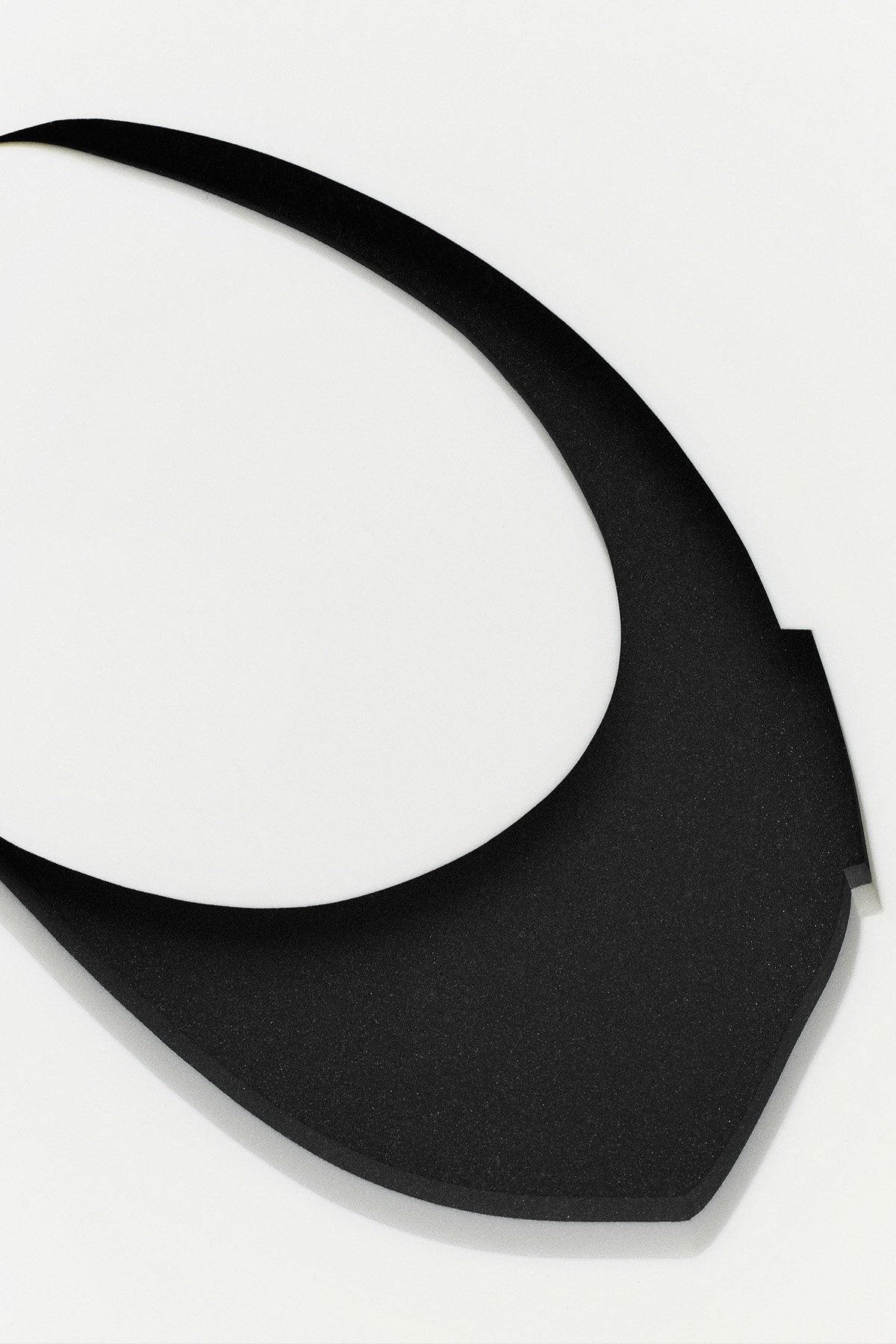
The mind behind its inventive design thinking is Emilie, whose approach is highly intuitive and material-led. She works directly with fabric rather than designing everything first on paper, allowing form to emerge through manipulation and use. Geometry often provides the starting point, but the result becomes more organic through folding, twisting and moulding. It’s a design language built around contrast. As Emilie puts it, ‘It looks complicated, but it is very simple at the end.’ Function remains central, but it is shaped through material, proportion and the way an object interacts with the body.
For Minimal Collective, that way of thinking became a concrete design question: how could furniture become part of a listening environment? The answer would eventually take shape in PILLOWS. That approach becomes especially relevant when thinking about listening. A seat, like a speaker or a room, is part of the physical setup in which sound is experienced. The question then becomes less about the object in isolation, and more about how design can shape the conditions around listening.
The emergence of hi-fi culture
While we are currently witnessing a rise of listening initiatives, the ways in which spatial design can shape sonic experience have long been a subject of exploration. In Western society, a shift towards hi-fi culture can be traced through post-war socioeconomic developments. Short for “high fidelity”, the ’60s and ’70s saw major advancements in audio reproduction technology, including preamplifiers and power amplifiers. Vinyl also gave a tangibility to music: a physical object within the home. As the public gained greater access to this equipment, the conditions emerged for what became known as the golden age of hi-fi. High-quality sound could now be experienced from the comfort of the home, encouraging a more intentional approach to listening.
Beyond the technicalities of sound design, the arrangement of the room and elements of interior design, such as the dimensions of furniture and material choices, became important considerations in creating the optimal listening experience. This relationship between aesthetics and listening has continued into contemporary culture, with hi-fi and stereo culture extending beyond the domestic interior into dedicated listening spaces and design-led environments.
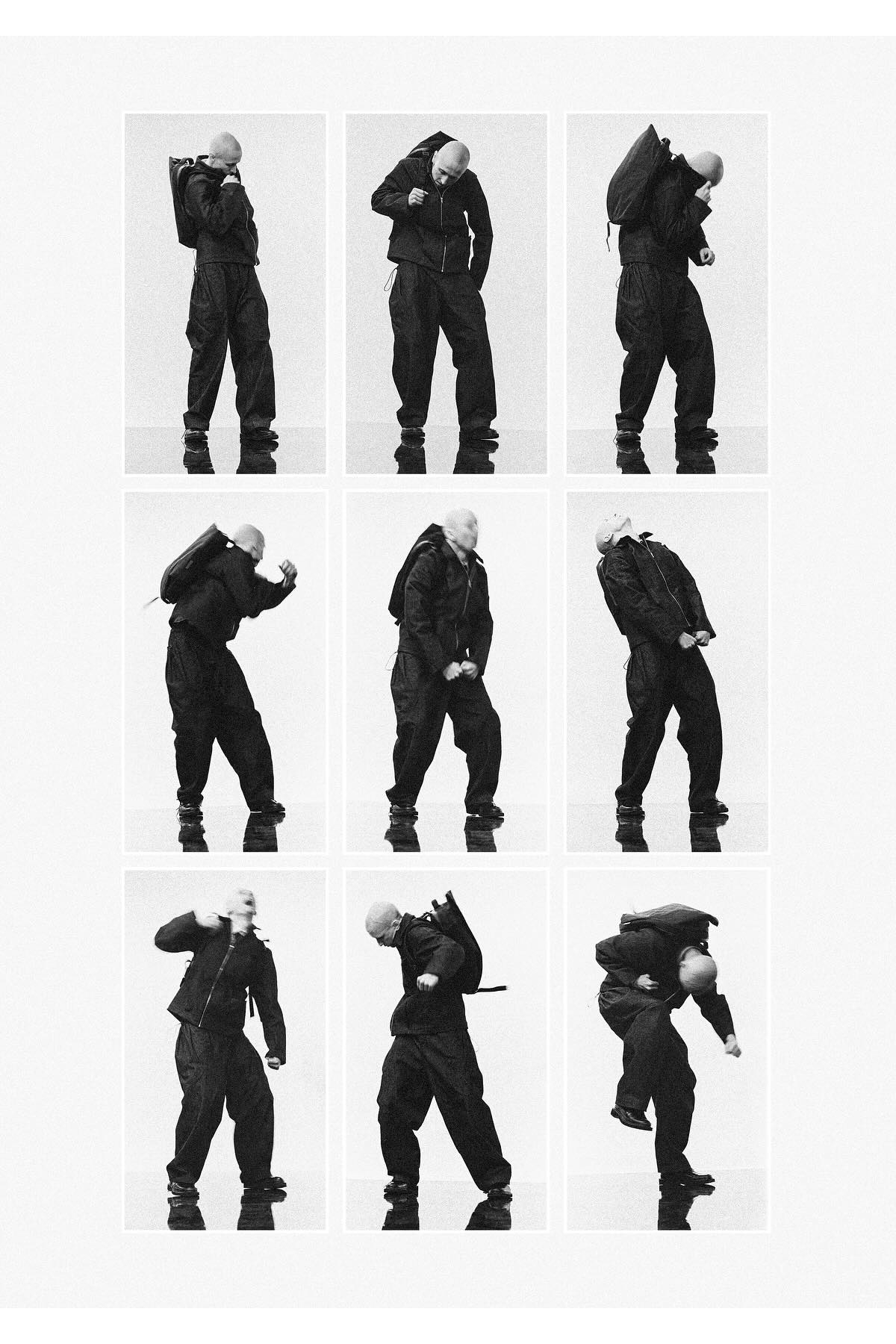

'In design language, we say objects punctuate the space'
‘From a theoretical point of view, if objects are creating space, they condition sound and perception,’ Emilie explains. ‘In design language, we say objects punctuate the space. It is the same as in written language: with no punctuation, it is almost impossible to get the meaning of a sentence. It’s the same with space; it’s hard to understand a place if it contains no objects to give it a purpose.’
The relationship between design and experience extends beyond the visual. Through materiality, texture and physical contact, objects can influence how we feel within a space, engaging senses that are often overlooked in discussions of aesthetics.
‘I’m picking materials for their physicality. Not following trends,’ Emilie explains. ‘It’s a balance between the touch, the hand feel, and also sometimes the smell.’ This sensitivity to the physical qualities of fabrics, and their relationship with the body, informs the design of côte&ciel’s listening objects for Minimal Collective, where the seemingly simple act of sitting becomes part of the listening experience.
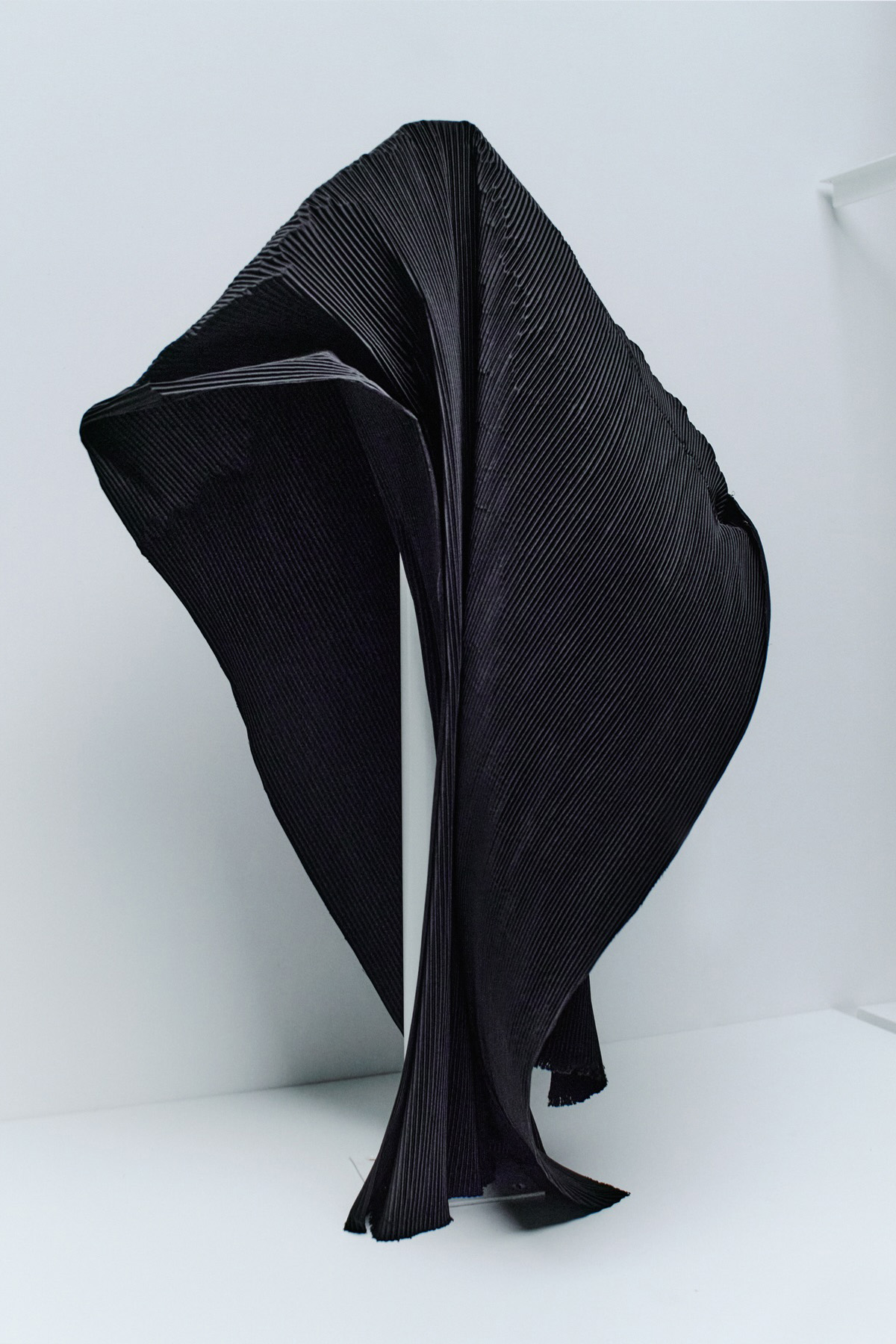
Interiors and the senses
This understanding of design as a multisensory experience can also be traced through Verner Panton’s Visiona II installation from 1970. Floors, walls, ceilings and furniture dissolved into a cave-like interior shaped through sound, colour and smell. Its Amoebe chair lowered the sitter closer to the ground, creating a greater sense of enclosure and showing how furniture can influence the way a space is physically experienced.
This sense of enclosure, and the feelings of safety or intimacy it can evoke, is something Emilie also considers when exploring the relationship between furniture and listening: ‘The limit between our body and its environment is given by our skin, so in theory, the bigger the surface in contact with our skin is, the more protected we feel, and maybe the more open we are to experiment with music in a passive manner.’
'Is passivity comfortable when surrounded by strangers?'
Posture & active listening
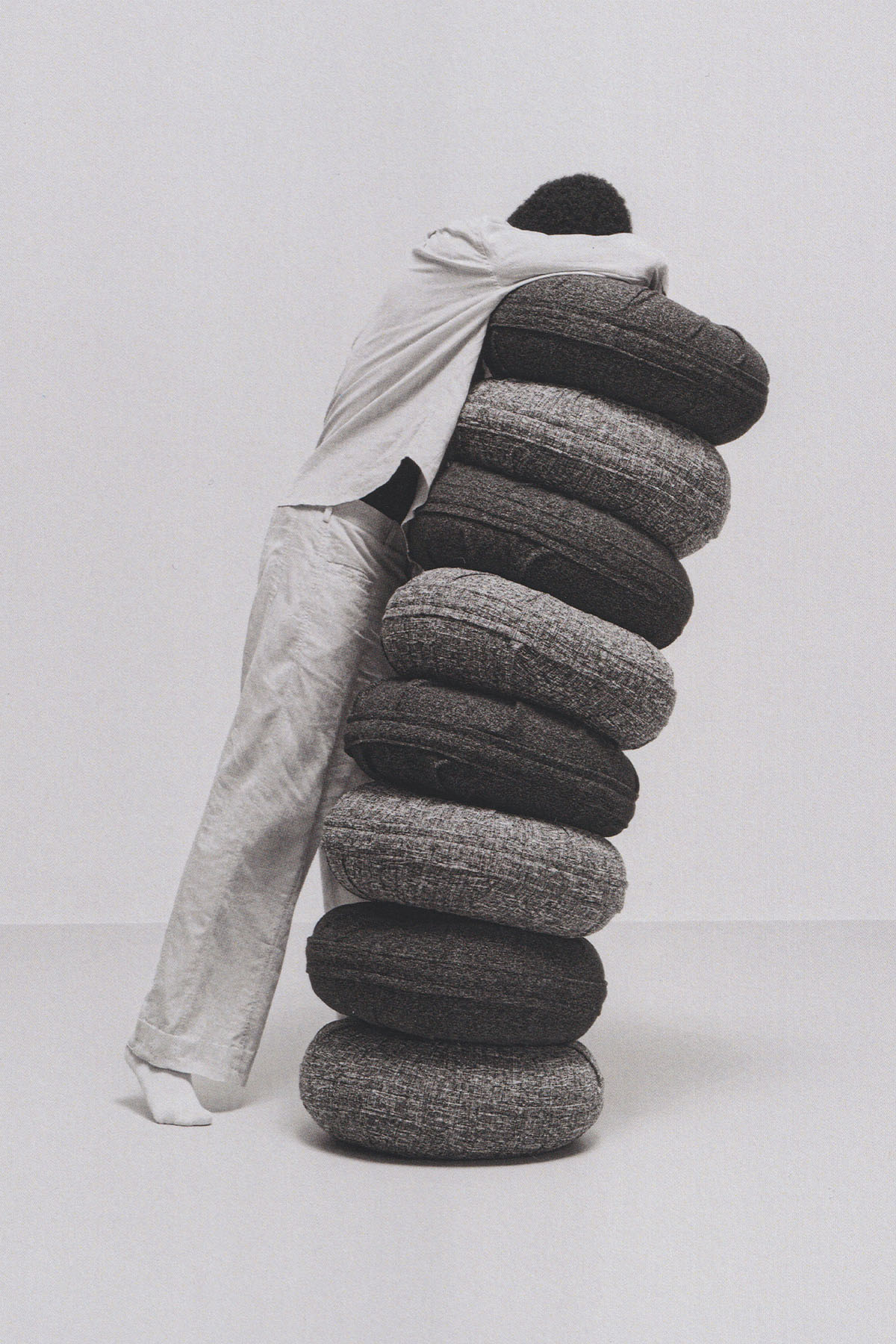
When designing PILLOWS for Minimal Collective, Emilie considered how physical positioning can influence our capacity for attention. ‘Because you sit on the floor, you release a certain part of your brain usually in charge of maintaining you up, it helps the attention to focus on the rest… we imagined seats with no direction, no up, no down, naturally laying on the floor with no particular care, like silently floating at the ground surface whilst listening to sound vibrations.’
This raises an interesting question: if listening itself is an active experience, does the body also need to be active? Or could allowing the body to become more passive create better conditions for attention? As Emilie asks, ‘Is passivity comfortable when surrounded by strangers?’
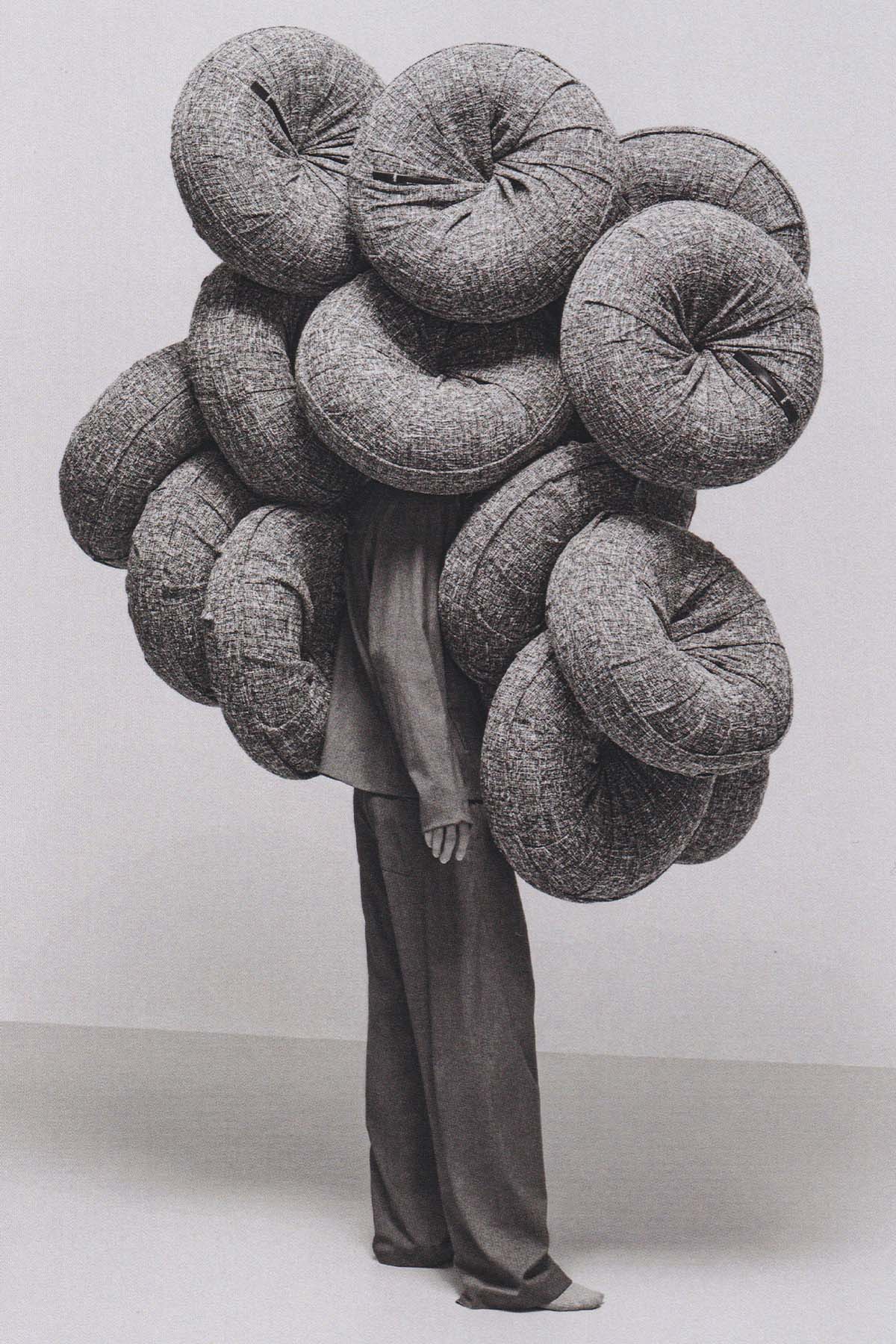
Together we listen alone
Dedicated listening cultures have long explored this balance between individual attention and collective space. In postwar Japan, jazz kissa placed high-quality sound within communal environments where furniture, lighting and layout all contributed towards listening as the central activity. Visitors could become immersed in their own experience while remaining part of a shared environment, with silence and collective attention shaping the conditions in which listening unfolded.
The objects developed for Oude Kerk approach this relationship through the body. Their form allows the listener to move around them and settle differently, while their placement leaves each person to decide where they want to be in relation to the sound, architecture and others occupying the space. ‘Both sound and music need space and time to exist, time to separate the notes, space so vibration can go from the source to our ears,’ Emilie explains.

The seats were imagined without a fixed orientation, allowing listeners to choose their own position within the environment. ‘In order to sit you need first to choose where, which means you place yourself as an individual in the collective.’ This idea eventually led to the image of the seats as ‘buoys to navigate in between space and sound.’
As our conversation with Emilie comes to an end, it becomes clear that the conditions of listening extend far beyond the obvious. The position of the body, the distance between listeners, the scale of a room and the objects within it all contribute to the listening experience. Within that interplay, physical conditions can be carefully considered, while the experience itself remains open to interpretation.
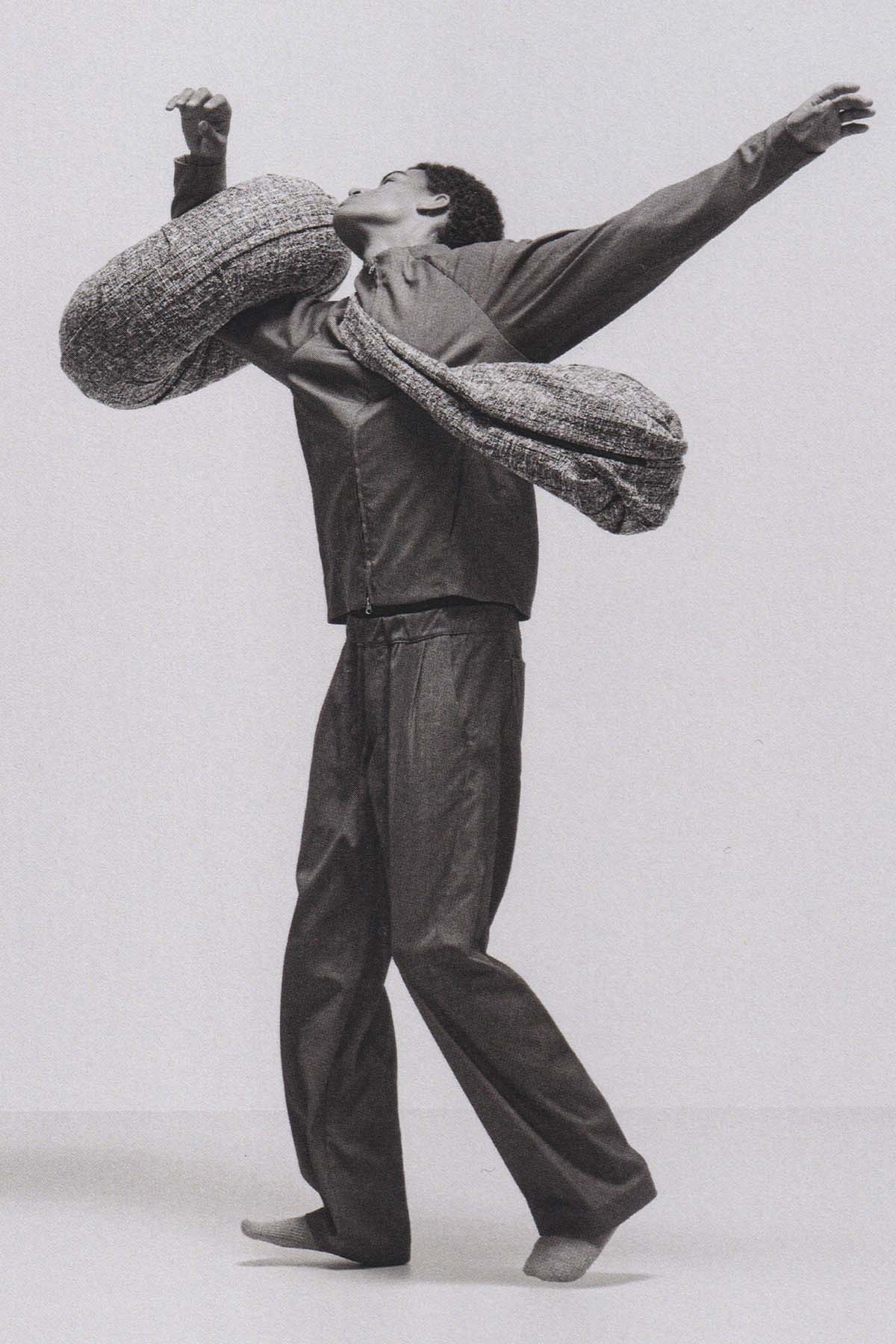
‘It means in between the coast and the sky, which is where you have the line,’ Emilie explains when discussing the origins of the name côte&ciel. ‘But that line does not exist, it’s in your head, which means it can be seen as a symbol of creation, or vision.’ This way of thinking runs through her wider approach to design, one that thrives on contrasts. The listening objects developed for Minimal Collective’s listening sessions bring that same thinking into Post-Space at Oude Kerk: simple in form and without a fixed direction, but open in the way they can be used and experienced.
Find out more about côte&ciel here. Experience PILLOWS at Oude Kerk from 22–24 October as part of Post-Space. Tickets here.