.webp)
Sound can hold on to a memory, change it, or even bring back something we didn’t know was gone. Ahead of Post-Space at Oude Kerk, we spoke with participating artists to explore the ways in which memory translates into sound, and what happens when those memories are shared at a certain location. Because within the confines of Amsterdam’s oldest still-standing building, memory and sound aren’t isolated.
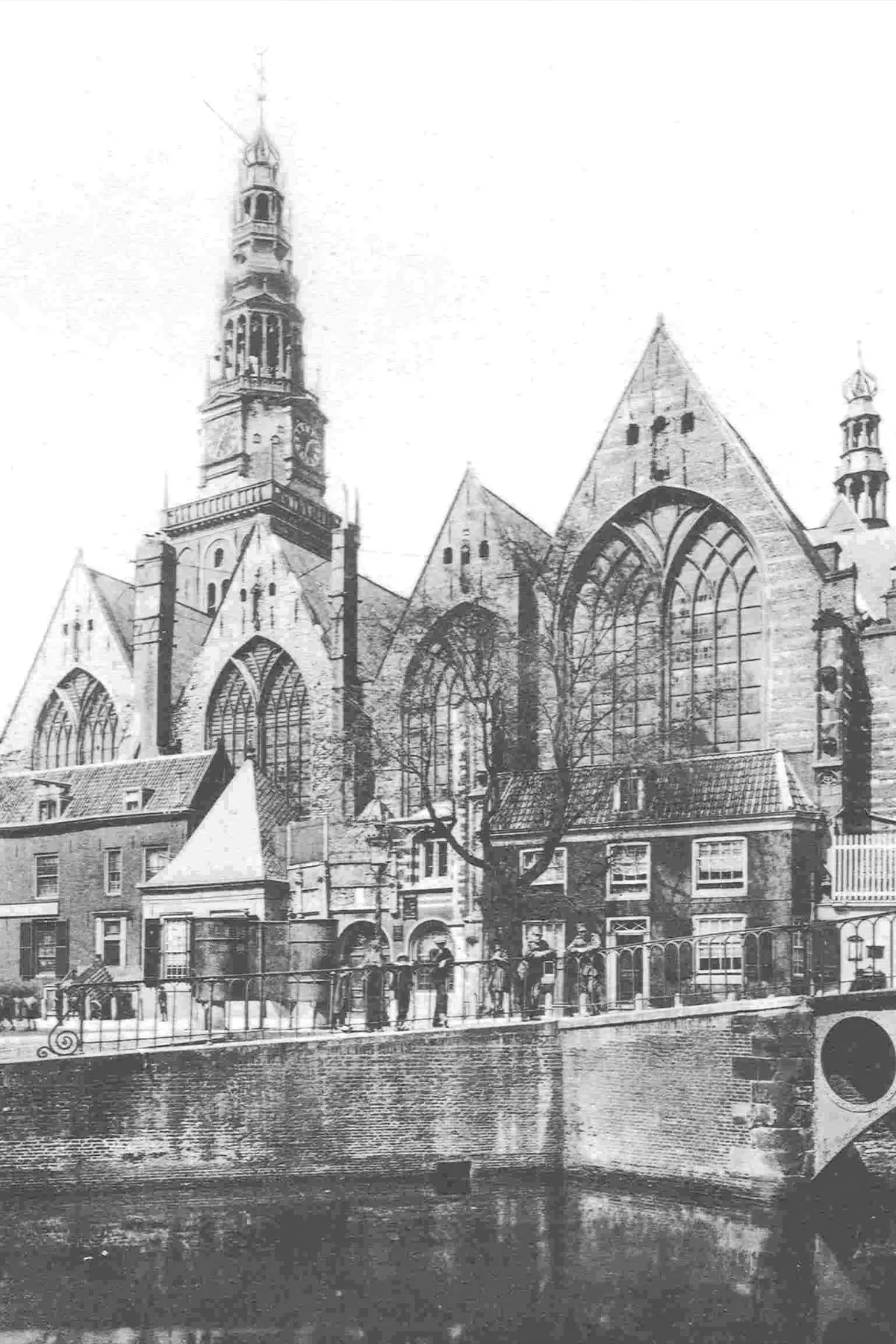
The Oude Kerk, founded as a wooden chapel back in the year 1213, houses many memories. Although they may not be personal, these memories function as a collective sense of history and culture – which stands at the basis of cultural heritage (something we discussed last year). Centuries-old tales and events stored within its walls, from Jan Pieterszoon Sweelinck listening concerts to the grave of Rembrandt’s wife Saskia van Uylenburgh, are being preserved and kept alive. Within this reservoir of collective memories, how will the artists shed light on their own memories throughout October 22nd - 24th?
What makes a memory?
In the trippy movie Memoria (2021), the protagonist Jessica, played by Tilda Swinton, hears a sudden, loud boom. While researching an excavation site, the sound seems to interlace with her memory, the experience of time, and historic events. She is the only one who hears the sound, and it unsettles her, keeping her from sleep as it returns every now and then.
The movie and the thematics of sound and memory are among the starting points of Carmen Villain’s latest album, Memoria. In a conversation with the Norwegian-Mexican artist, she explains that the album isn’t necessarily built around her personal memories, but rather reflects her philosophical approach to how memory and music act the same. ‘How can sound be shaped to mimic the experience of memory itself?’ she ponders. To answer this question, you’d first have to define the characteristics of memory, which she understands as being inherently distorted and unstable: ‘We can’t really trust our memories to be completely accurate. They are constantly being reconstructed and filtered through our present perspective.’ To her, memory is unstable and blurry – or, as the Memoria release text puts it, full of “morphing, non-static imperfections” – an idea also shaped by a personal event at 18 that affected her memory for several years.

How can sound be shaped to mimic the experience of memory itself?
Memory in composition
On Memoria, flickering drones, distorted static and muffled acoustics mirror the unstable nature of memory. ‘The composition of the music became a way for me to consider and reflect on the impermanence and nature of memories. I wanted to work towards something abstract, minimal and somehow eroded over time. Repetition and processing became ways of exploring this, allowing sounds to be degraded, reshaped and gradually obscured.’ In this way, the behaviour of memory becomes part of the composition itself. But what happens when you flip the two around and start with listening instead of producing? Villain wondered: ‘What can listening to dissolving and evolving sound teach me about time passing or memories distorting?’
The Korean artist Ogkwa shares Villain’s deconstructed view of memory, but takes it in a more metaphysical direction. ‘Some memories feel older than any specific cultural context, perhaps even older than humanity itself. I imagine they can remain in bodies, places, sounds, landscapes or materials, moving between different forms over time.’ For her, music is the place where these memories can surface. ‘Some people may think of composition as an act of creating something new from oneself. For me, it feels much closer to remembering something that is already there.’
Sound as archive
Beyond these philosophical approaches, archiving personal memories – of times, places, and their associated recollections – within music is certainly a widely used approach within music composition. Take, for instance, the Cities and Memory project, a field-recording initiative that captures and archives the sounds of cities; a map lets you listen to locations across the globe, as well as songs built on those recordings. Full albums are even based on archiving sounds and memories. On Chill Out, The KLF capture their journey through the USA; Ryuichi Sakamoto remembers the 2011 Japan tsunami by recording sounds in highly contaminated sites; Steve Reich captures World War II deportation trains on Different Trains / Electric Counterpoint.
Sometimes these sounds are less memory than recording and preserving what is around. And sometimes, what is around us and recorded later turns out to be a precious preservation of a moment in time. However, memory through sound can also exist without field recordings. Biosphere dedicated their album Cirque to the memory of American adventurer Christopher McCandless, who died at age 24 on a trip in Alaska and whose life was later turned into words and screened in Into the Wild. It was an interpretation of his trip, without the actual sounds, but rather a mimicking of sphere and space.
A more intimate form of preservation appears in Pavel Milyakov’s who will perform Melancholia live with Tapio Viitasaari’s on the church's oldest organ. The piece was composed after the passing of his close friend and collaborator Yana Pavlova. Working with an archive of her vocal recordings, Milyakov built the work around her voice, with organ and guitar deliberately taking a supporting role. For him, music can preserve more than factual memory; it preserves ‘the essence of an artist's soul’. The result is a memory layered with artistic interpretation.
Sound as archive
Beyond these philosophical approaches, archiving personal memories – of times, places, and their associated recollections – within music is certainly a widely used approach within music composition. Take, for instance, the Cities and Memory project, a field-recording initiative that captures and archives the sounds of cities; a map lets you listen to locations across the globe, as well as songs built on those recordings. Full albums are even based on archiving sounds and memories. On Chill Out, The KLF capture their journey through the USA; Ryuichi Sakamoto remembers the 2011 Japan tsunami by recording sounds in highly contaminated sites; Steve Reich captures World War II deportation trains on Different Trains / Electric Counterpoint.
Sometimes these sounds are less memory than recording and preserving what is around. And sometimes, what is around us and recorded later turns out to be a precious preservation of a moment in time. However, memory through sound can also exist without field recordings. Biosphere dedicated their album Cirque to the memory of American adventurer Christopher McCandless, who died at age 24 on a trip in Alaska and whose life was later turned into words and screened in Into the Wild. It was an interpretation of his trip, without the actual sounds, but rather a mimicking of sphere and space.
A more intimate form of preservation appears in Pavel Milyakov’s who will perform Melancholia live with Tapio Viitasaari’s on the church's oldest organ. The piece was composed after the passing of his close friend and collaborator Yana Pavlova. Working with an archive of her vocal recordings, Milyakov built the work around her voice, with organ and guitar deliberately taking a supporting role. For him, music can preserve more than factual memory; it preserves ‘the essence of an artist's soul’. The result is a memory layered with artistic interpretation.
What our environment tells us
The intentional capturing of moments in time is at the core of Temple Rat’s sound approach. Moving between Chengdu, a Chinese city in the Sichuan region, and Berlin, she sees both cities change and, simultaneously, the sounds they emit. In our conversation, she reminisces about the sounds of the train outside the window of her family home. ‘I remember the old green trains passing by, children playing in the square, and, much closer, the sound of my mother playing mahjong.’ Listening now, she can also notice how that sound has changed. ‘Back then, the city was much less densely built, and sound seemed to travel further: Trains in the distance, children in the square, neighbours talking. Over time, many of these sounds changed or disappeared. High-speed trains replaced the old green trains, while the city and the neighbourhoods I knew were constantly being rebuilt. Rebuilding a city also means rebuilding its communities: the people change, the relationships between them change, and the soundscape changes with them.’
Temple Rat records city sounds and uses these field recordings in her productions, approaching personal memories from cities as acoustic environments. Spatial memories evolve into songs about Sichuan, or the Elsen Bridge in Berlin, where she currently lives. These are not one-on-one copies of these city sounds. ‘I like to selectively amplify sounds that might otherwise go unnoticed, and use spatialisation to reorganise the distances and relationships between them. At the same time, I deliberately reduce the recording’s attachment to a specific location. I want the place to become less identifiable while the sensation of it becomes more present.’
Memories are never entirely isolated from one another
Where memory meets
Interestingly, Temple Rat emphasises the importance of distance: ‘Living in Berlin has also changed the way I listen to Sichuan’, she explains. Does listening to Berlin or Sichuan then also change the way we listen to and memorise, let’s say, Amsterdam? How to make the artist’s personal memory a collective experience?
First, music that leans on personal memory can create an opening for the listener to empathise. Sharing a few examples herself, Temple Rat expatiates: ‘In Hildegard Westerkamp’s work, even though I have never been to the places she recorded, I can still hear how water moves through a landscape and sense something of the surfaces and materials it passes through. Mazen Kerbaj’s Starry Night is another very special example for me. As someone who has never experienced war, that live recording gave me an incredibly strong sensory imagination.’ Pavel describes a similar shift from personal memory to shared meaning. He received messages from listeners who said Blue helped them through difficult periods in their lives: ‘They never knew Yana, but her music became meaningful to them.’
At the same time, music can be a crossroads of individuals’ memories, as she explains: ‘I can’t give someone else my memory, but perhaps music can create a space where my memory can meet theirs.’ An idea that resonates with Okgwa’s view on the matter: ‘When someone listens, the memory within the sound meets the listener’s own memories. Something new can happen in that meeting. The listener does not need to reproduce the experience of the person or culture the sound came from. Their own body and history become part of the encounter.’ Carmen Villain agrees: ‘As a listener, I find music a powerful way to unlock connected memories.’ In that sense, sound can allow memories from very different origins to exist together for a moment.
But Okgwa takes this even further. To her, memory is inherently collective, transcending the individual: ‘I imagine individual memory as a fractal of something collective. A personal memory may appear to belong to one person, while also carrying traces of a family, a culture, a species, or something even older. In that sense, memories are never entirely isolated from one another.’
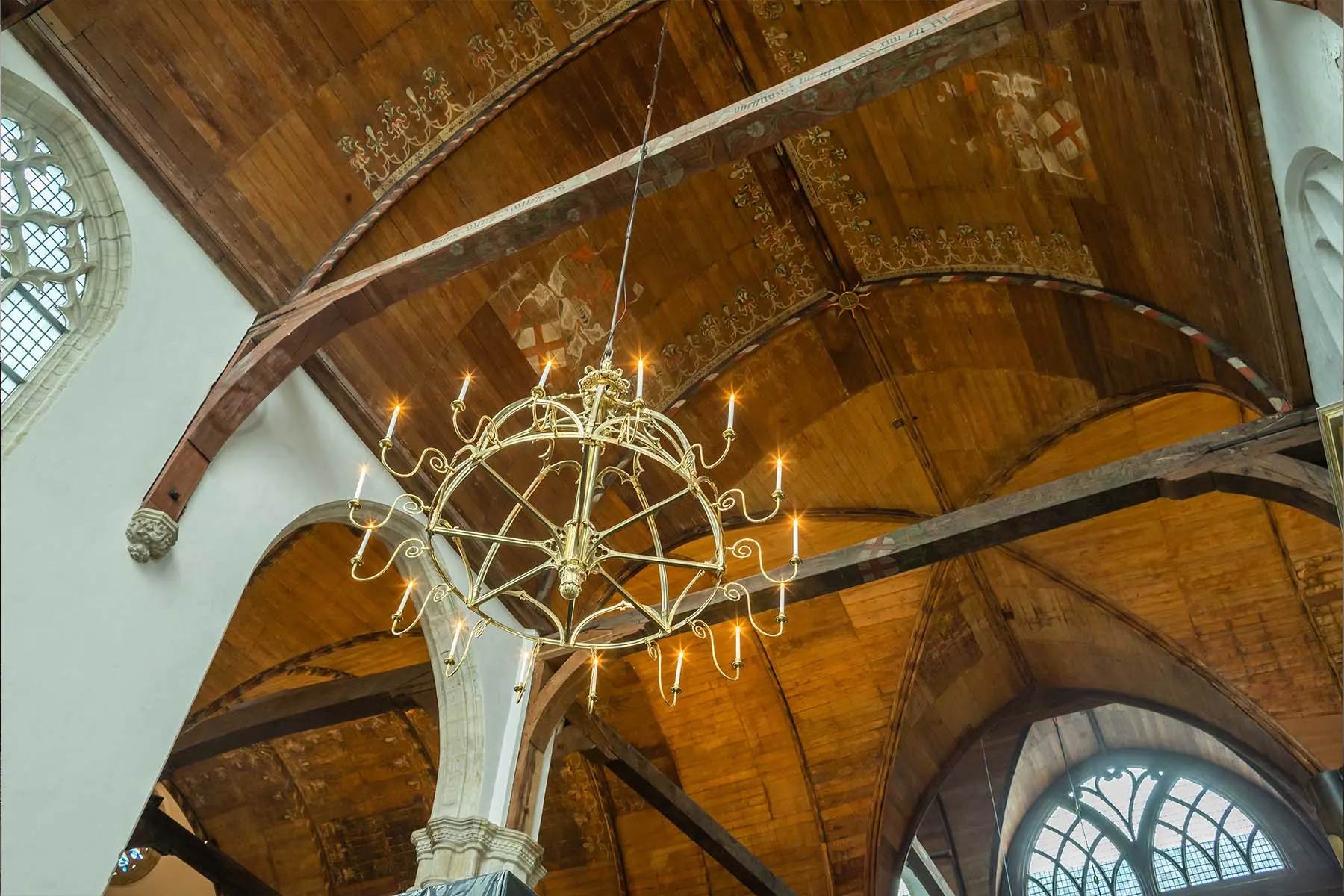
Where memory meets space: the Oude Kerk
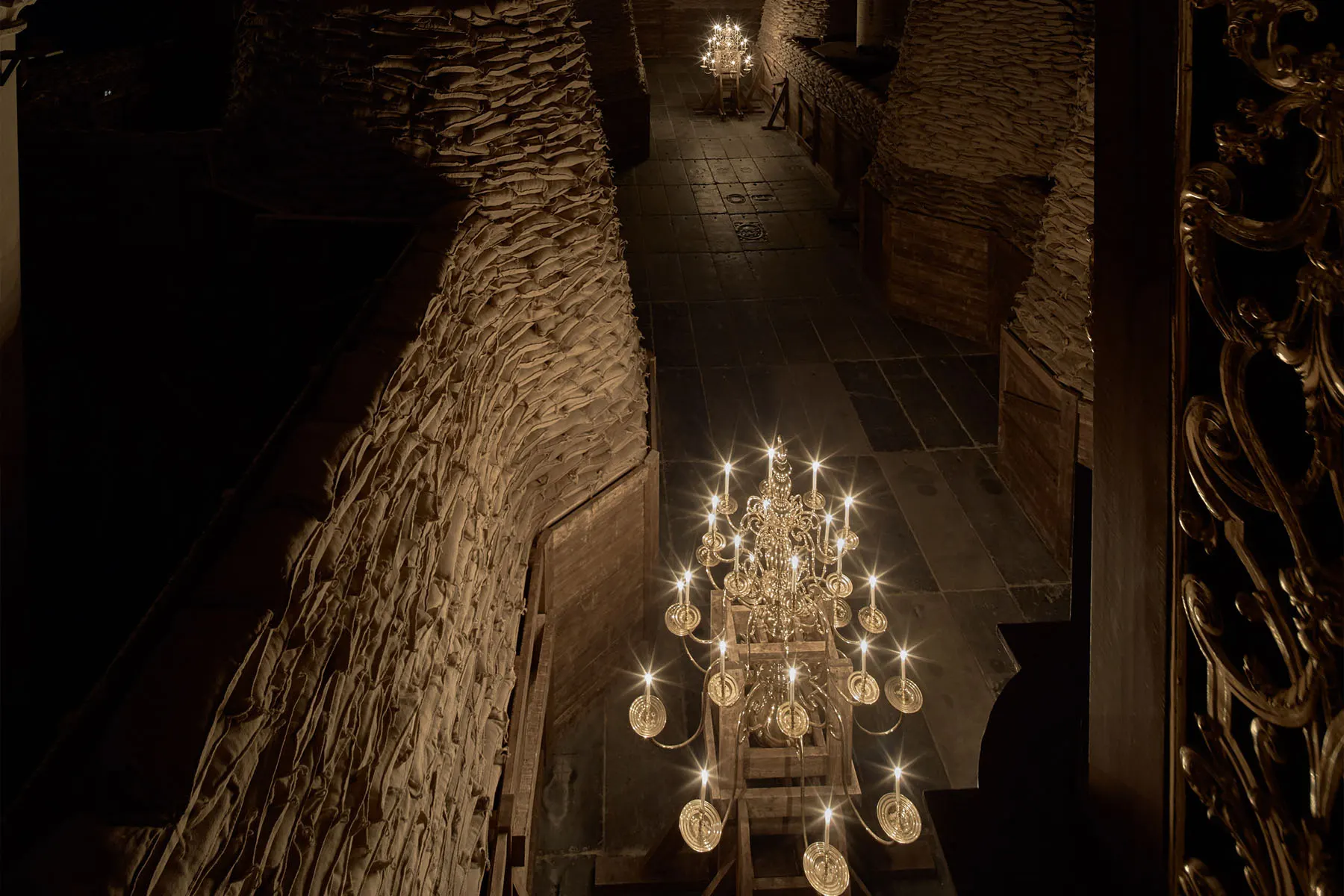
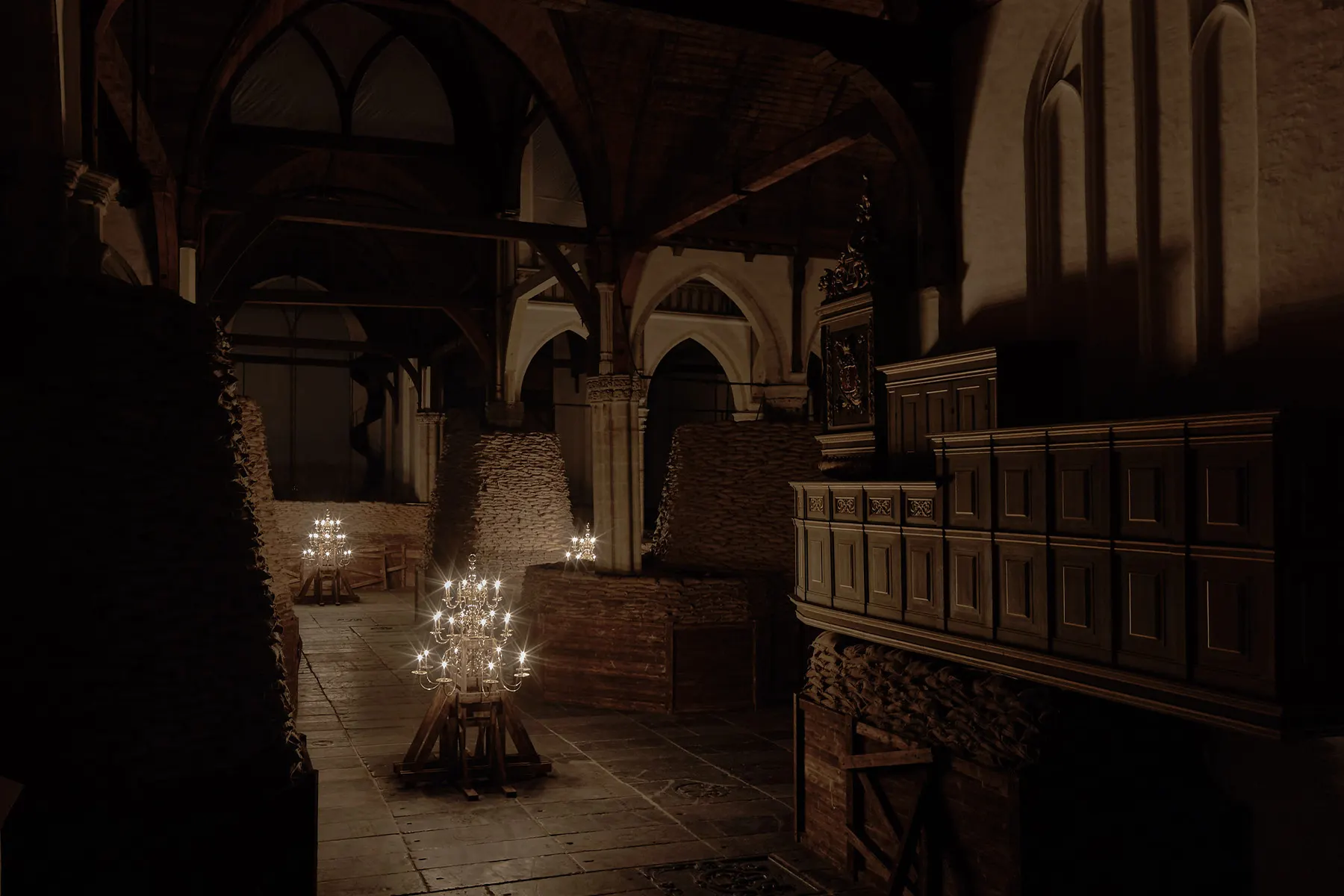
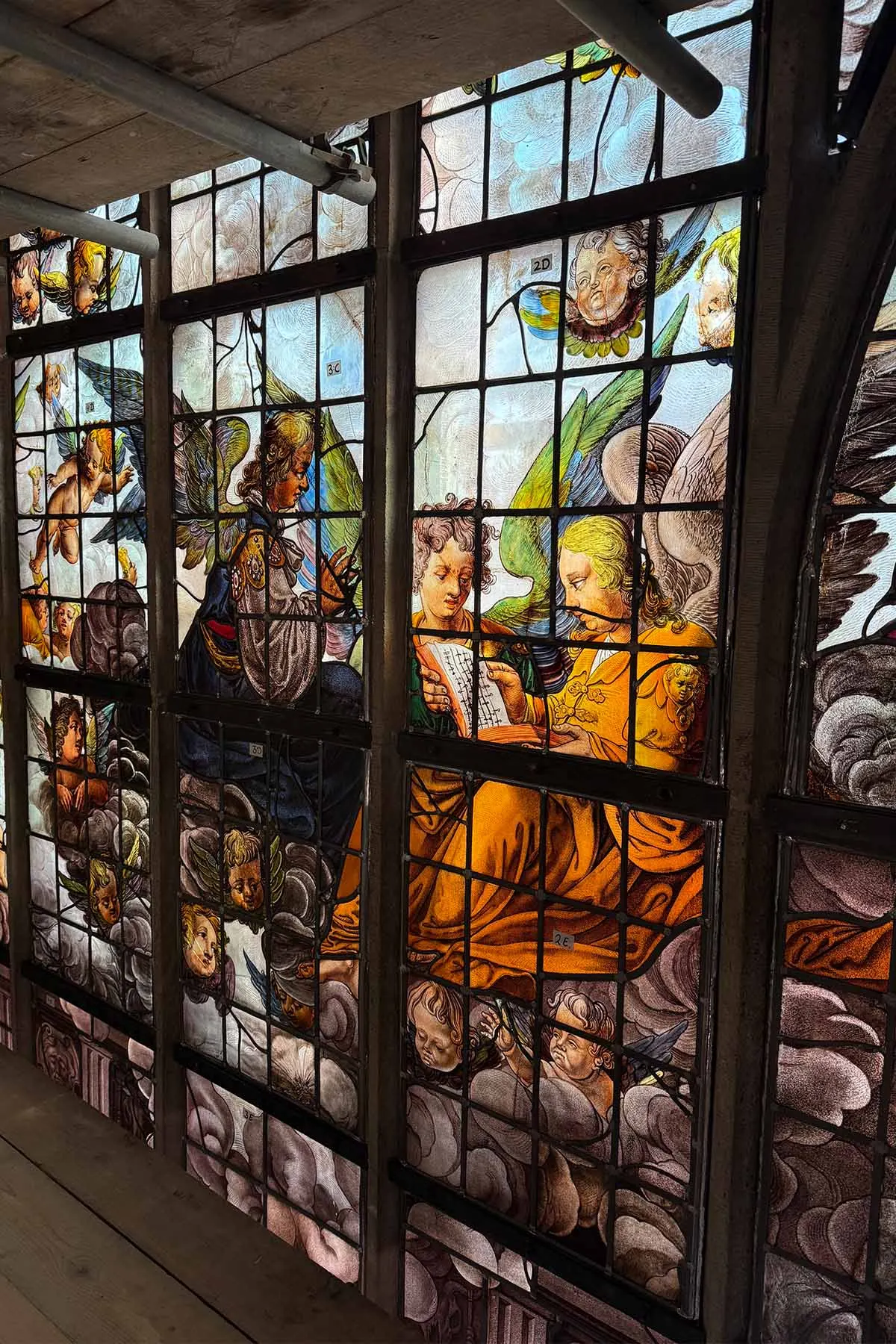
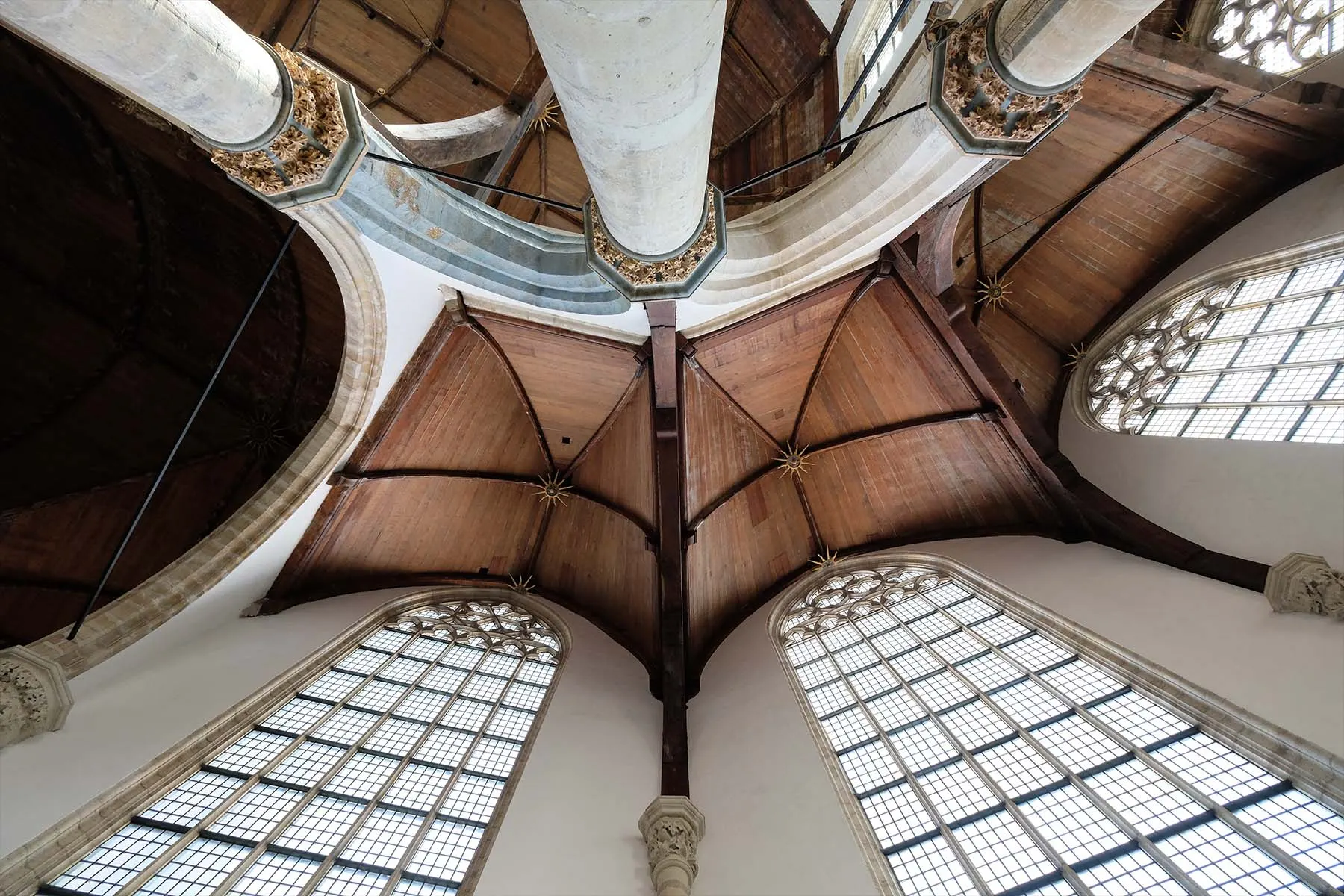
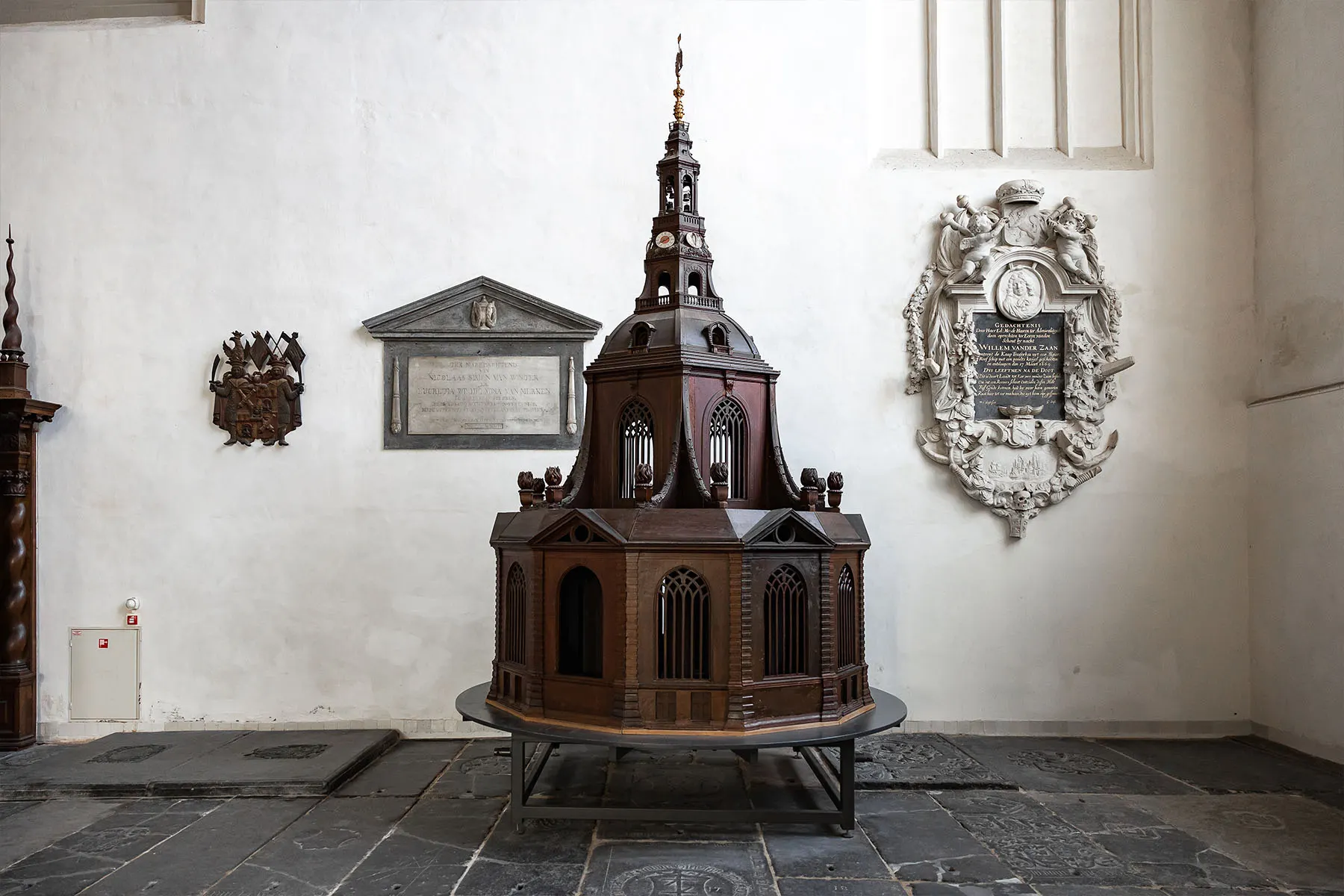
In Christian Europe, many will remember moments in churches, from masses and funerals to Christmas gatherings. The cold stones, the smell of incense and the sound of the reverberating space where every small sound ping-pongs between the walls; these impressions live within you. Post-Space will therefore be a meeting point in time: between memories from visitors, artists, and the Oude Kerk itself.
Thinking about her performance in the Oude Kerk together with Son of Chi, Okgwa comments: ‘What interests me most is the possibility that memories with completely different origins can briefly inhabit the same space. The memories carried by the building, the sounds I bring, the bodies of the people listening, and whatever they carry with them can all meet for a moment.’
Tickets for Post-Space on October 22-24 are available in our ticket shop. From Thursday till Saturday the audiovisual installation Hieropixel is on view during daytime, while October Friday 23th and Saturday 24th two live nights of listening events take place.


